Navigating Cancer: Effective Therapies and Patient Advocacy for a Healthier Tomorrow
Cancer can often feel like an overwhelming journey. An illness that not only affects physical health but can also deeply impact emotional and mental well-being. However, amidst the shadows of carcinoma and malignancy, there lies a beacon of hope: patient empowerment. Understanding oncology research and staying proactive about healthcare choices can make all the difference. So, how can you, as a patient or a loved one, navigate this complex world of tumors and trials? Let’s dive into the world of oncology and the vital role of patient advocacy in creating a healthier tomorrow.
Engaging in cancer illness isn't solely about doctors and diagnoses; it’s also about you, the patient. Have you ever considered that your voice is powerful? Patient advocacy enables individuals to have a say in their treatment options, whether it’s participating in clinical trials or accessing new therapies. The beauty of being involved in your healthcare process is that you contribute to the very evolution of oncology research. These new therapies can lead to remission and improvements in symptom management, which should always be a cornerstone of any cancer journey.
Imagine this: You’re sitting in a waiting room, paging through a health blog filled with stories of people like you who faced similar battles. You read about someone advocating for preventive care and engaging with their oncologist about lifestyle changes that incorporated integrative medicine. This resonates with you. Could this be your pathway to emotional support and resilience? The truth is, the more informed you are, the more you can tailor your journey. You’re not just a patient; you become an active participant and advocate for yourself and others.
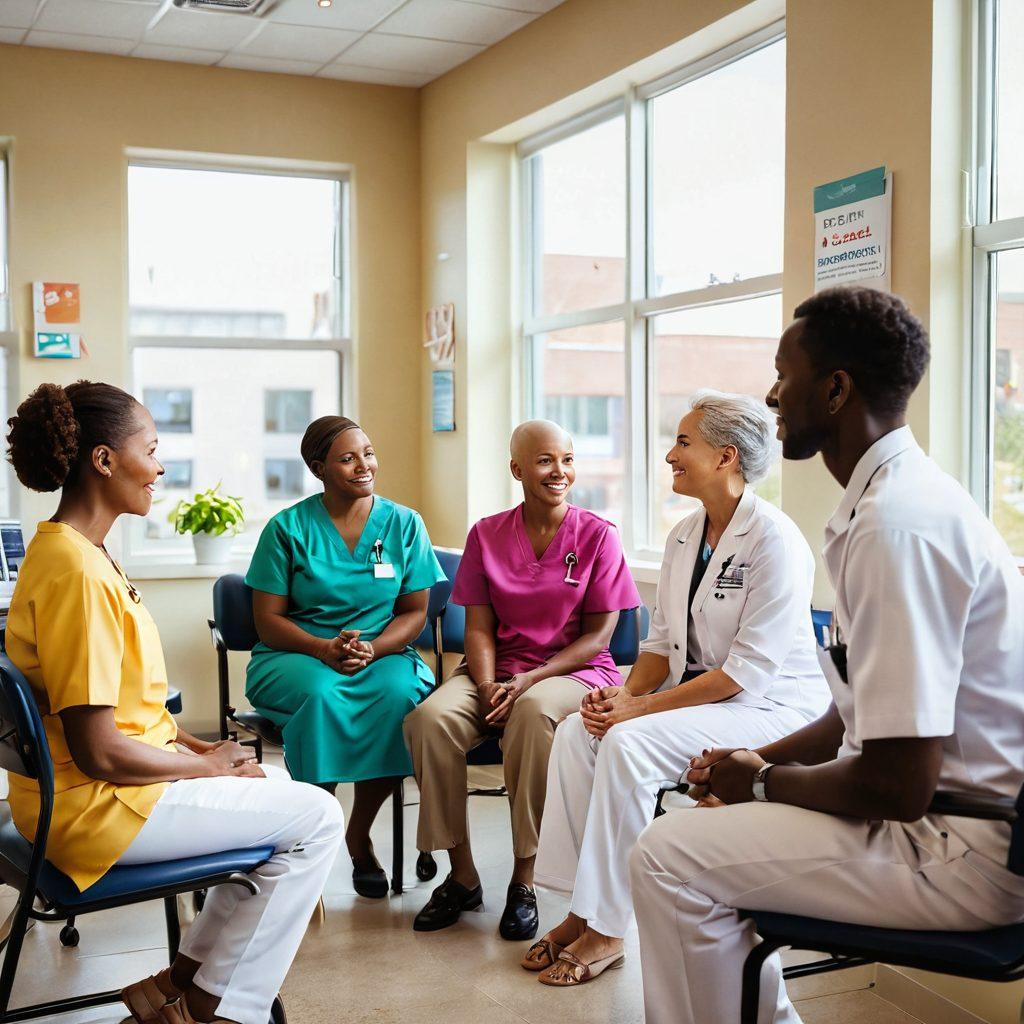
Support groups are golden nuggets in the cancer community. These groups not only provide camaraderie but empower their members with knowledge. By sharing personal stories, participants learn about effective treatments, the latest in oncology research, and emotional support strategies. Have you thought about joining a group in your area or online? Remember, these spaces help foster compassion while fighting against the stigma surrounding illnesses. Together, members can increase cancer awareness and serve as a vital support system during tough times.
In the end, remember that you are not alone in this fight against cancer. Whether navigating a treatment plan or joining discussions on health education, your engagement plays a crucial role. Encourage your loved ones to get involved with patient advocacy as well; it’s a journey best taken together. Start by asking questions during your appointments with oncologists, seek out the latest clinical trials, and explore different therapies. Ultimately, navigating cancer is about empowering yourself and shaping your pathway to wellness. What steps will you take today to become your own advocate?
Innovative Therapies and Lifestyle Changes for Cancer Remission
In the daunting journey of navigating cancer, the pursuit of innovative therapies and lifestyle changes plays a critical role in achieving remission. Imagine the day when you’re told those frightening words, 'You have carcinoma.' It's a moment that can halt your world. But with support, education, and proactive steps, you can transform this experience into a narrative filled with hope. Cancer is not just about the illness itself, but also about the resilience of the human spirit, community support, and the groundbreaking strides in oncology research that create pathways to healthier tomorrows.
Have you ever wondered how many potential warriors find themselves battling malignancy without the necessary tools? It's essential to equip oneself with knowledge about available therapies, symptom management, and opportunities for getting involved in clinical trials. Engaging with an oncologist can seem intimidating, but they are your allies in this fight. They can guide you through the complex landscape of treatment options, such as integrative medicine, which aims to combine conventional therapy with holistic approaches. Imagine sitting in that consultation room, armed with questions and empowered insights, making the most informed decisions about your health!
Lifestyle changes, often overlooked in the face of aggressive treatments, can significantly impact cancer recovery and overall well-being. Incorporating exercise, balanced nutrition, and mindfulness into your daily routine not only helps in managing symptoms but also fosters a sense of control over your life amidst uncertainty. What small changes can you start today? Perhaps it's a daily walk or a commitment to exploring new, healthy recipes. Each step taken in creating a supportive environment for your body and mind nudges you closer to the goal of enduring wellness and remission.
Patient advocacy can be a powerful key in your journey. By connecting with support groups, you gain access to a treasure trove of experiences and coping strategies. The power of shared stories, emotional support, and collective wisdom cannot be underestimated. How amazing is it to know you are not alone in this battle? Communities focused on cancer awareness and healthcare advocacy empower individuals to speak up for their needs and make informed choices. They turn a moment of fear into a movement of collective strength, leading to breakthroughs in treatment accessibility and preventive care practices.
As the cancer landscape continues to evolve, the dialogue around lifestyle changes and innovative therapies will only grow. The ongoing push for health education is crucial, especially for those recently diagnosed. Could your journey lead to becoming an advocate yourself? With each insight shared, each new friend made in support groups, and each article read on your health blog of choice, you are weaving a safety net not just for yourself, but for countless others walking the same daunting path. Remember, every step you take is not just for you – it’s a beacon of hope for those who may one day hear that diagnosis. Together, we can navigate this journey, finding strength in unity and innovation.
The Role of Support Groups in Navigating Malignancy and Healing
Cancer is a word that carries a heavy weight—just hearing it can trigger a wave of fear and uncertainty. When faced with a diagnosis of carcinoma or a similar malignancy, life can feel overwhelmingly complex and isolating. The journey through symptoms, treatment, and recovery is filled with obstacles, but one vital ally can make all the difference: support groups. These communities offer more than just a shoulder to cry on; they provide a space for sharing experiences, exchanging information, and fostering hope. Imagine stepping into a room filled with individuals who truly understand what you’re going through—a space where emotions surface, yet healing blossoms. Isn't that something every patient deserves?
Support groups play a crucial role in navigating the tumultuous waters of cancer treatment. Members often connect over shared experiences of battling tumors, managing symptoms, and discussing therapies, including the latest in oncology research and clinical trials. These groups act as a treasure trove of health education, where patients discover not just medical insights but also lifestyle changes that can enhance their quality of life. The journey toward remission often feels long and grueling; however, with the camaraderie built in support groups, patients find strength and resilience. It’s like a collective battle cry against the illness, helping each member remember that they are not alone on this journey.
As you step into the world of cancer awareness, consider the emotional support that can be fostered through these empathetic communities. Engaging in conversations about the emotional and psychological aspects of a cancer diagnosis can alleviate the feeling of isolation. Support groups encourage open dialogue about fears, hopes, and every emotion in between; they create a safe haven where vulnerability is not just accepted but embraced. What’s more empowering than expressing your worries in a space where others nod in understanding? The sense of belonging and comfort can ignite a spark of hope, vital for any cancer treatment plan.
But the benefits of support groups extend beyond mere emotional support; they also serve as conduits for patient advocacy. Members often band together to navigate the healthcare system, advocate for preventive care, and share resources about integrative medicine that may offer complementary benefits alongside conventional therapies. They can encourage each other to participate in clinical trials, which often lead to innovative treatment options that can change the narrative of their illness. Additionally, knowing more about their options empowers patients to become active participants in their healthcare decisions rather than passive recipients of treatment. Isn’t it fascinating how collective knowledge can shape individual paths toward healing?
Finally, let's emphasize that support groups are not just for those in the midst of treatment. They also welcome survivors, providing a platform for sharing success stories and imparting hope. These gatherings reinforce the message that life after cancer is possible and can be a time of growth and rediscovery. Through inspirational testimonies, participants learn about strategies for ongoing emotional support, maintaining health, and embracing lifestyle changes that promote long-term wellness. So, if you or someone you know is navigating the labyrinth of cancer, consider seeking out a support group. The journey is undeniably challenging, but through community, empathy, and shared knowledge, a healthier tomorrow is not just a dream—it can be your new reality.